Latest Insights

Recent educational content covering emerging topics in passive building design, energy-efficient construction techniques, and building science fundamentals.

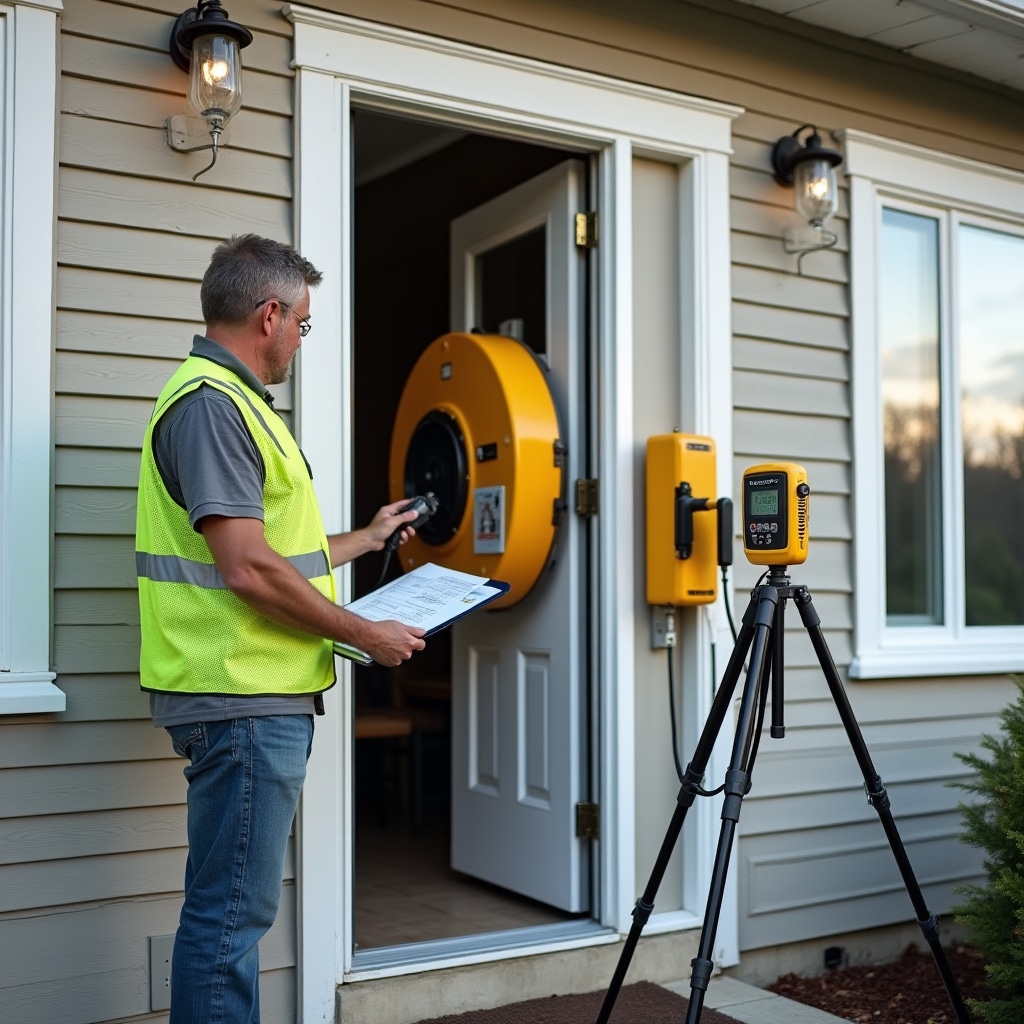
Blower door test equipment installed in residential doorway during air leakage testing
Testing & Verification January 2026

Interpreting Blower Door Test Results

Guide to understanding air changes per hour measurements, equivalent leakage area calculations, and how results compare to various performance standards. Blower door testing quantifies building envelope airtightness by measuring airflow required to maintain specific pressure differences.

The ACH50 metric normalizes results by building volume, allowing comparison between different sized structures. Passive House standard requires 0.6 ACH50, while typical code-built homes achieve 3 to 5 ACH50. Understanding these benchmarks helps evaluate building performance.

Test results identify whether additional air sealing work is necessary and help prioritize remediation efforts. Combining blower door testing with thermal imaging reveals specific leakage locations for targeted sealing.

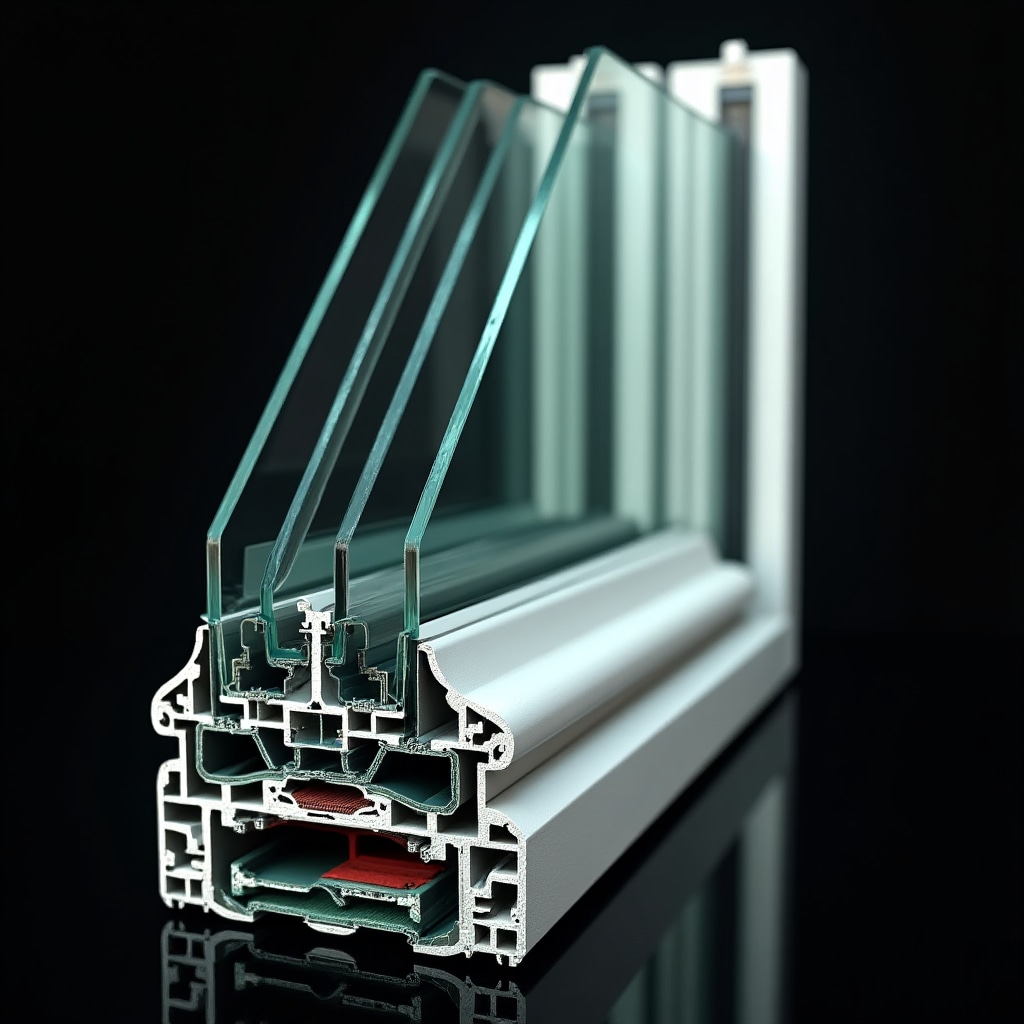
Cross-section of triple-glazed window showing glass layers and gas fills
Windows & Glazing January 2026

Triple-Glazed Window Performance

Comparison of double versus triple-glazed window systems, examining U-factor improvements, weight considerations, and cost implications for Canadian climates. Triple-glazed windows add a third glass layer and second gas-filled cavity, significantly improving thermal performance.

U-factor improvements from double to triple glazing typically range from 0.3 to 0.5 depending on frame type and gas fills. This enhancement reduces heat loss through windows, which often represent the weakest thermal element in building envelopes.

Weight increases require stronger frame materials and hardware. Installation considerations include handling procedures and structural support at rough openings. Despite higher upfront costs, energy savings over the window lifespan can justify the investment in cold climates.

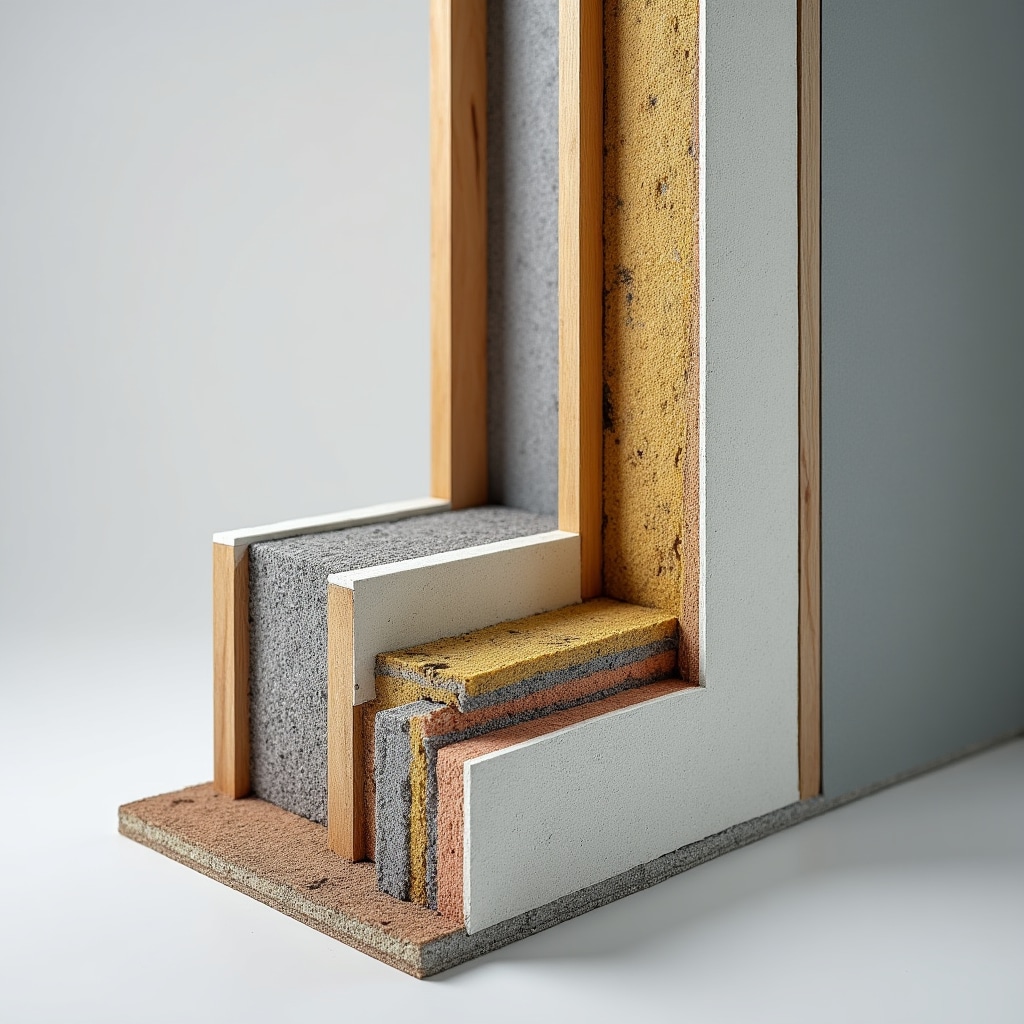
Cross-section of high-performance wall assembly showing continuous insulation layers
Materials December 2026

Mineral Wool Exterior Insulation

Technical overview of mineral wool board products for continuous exterior insulation applications. Mineral wool offers fire resistance, vapor permeability, and consistent R-value per inch making it suitable for various climate zones and assembly types.

The material maintains thermal performance when wet and dries readily after moisture exposure. This characteristic provides resilience during construction and throughout the building lifespan in climates with significant precipitation.

Installation techniques include mechanical fastening to structural sheathing with appropriate fastener patterns. Board joints should be staggered and tight-fitted to minimize thermal bridging through gaps between boards.

Energy modeling software interface showing building performance simulation
Mechanical Systems December 2026

Heat Recovery Ventilator Sizing

Methodology for calculating appropriate HRV capacity based on building volume, occupancy, and code requirements. Proper sizing ensures adequate ventilation while minimizing fan energy consumption and maintaining system efficiency.

Building codes specify minimum ventilation rates based on floor area and number of bedrooms. These requirements establish the baseline airflow capacity needed. Additional factors include occupant density, cooking equipment, and any special ventilation needs.

Oversized units cycle on and off frequently, reducing efficiency and creating comfort issues. Undersized systems run continuously but fail to provide adequate fresh air. Accurate sizing calculations balance these concerns for optimal performance.

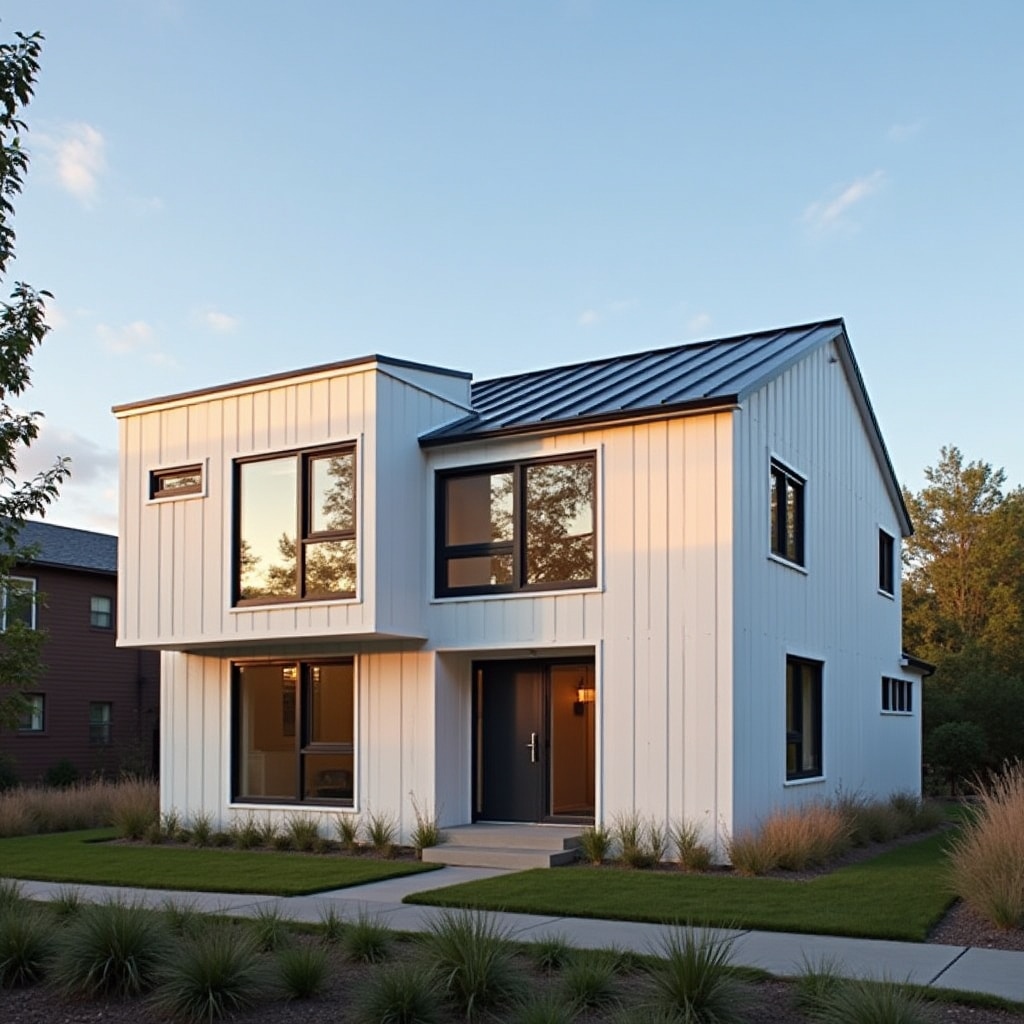
Modern passive house with triple-glazed windows and continuous insulation envelope
Building Envelope November 2026

Foundation Insulation Strategies

Comparison of foundation insulation approaches including exterior, interior, and integrated systems. Foundation heat loss represents a significant portion of total building heat loss, particularly in cold climates with deep frost depths.

Exterior foundation insulation protects waterproofing, maintains foundation at warmer temperatures, and eliminates interior space loss. The approach requires durable insulation materials rated for below-grade exposure and proper drainage details.

Interior foundation insulation costs less to install and protects insulation from exterior damage. However, this approach allows foundation to reach colder temperatures and requires careful vapor control to prevent condensation on cold surfaces.

Building science diagram showing heat flow, air movement, and moisture control in building envelope
Testing & Verification November 2026

Thermal Imaging for Building Diagnostics

Using infrared thermography to identify insulation defects, air leakage, and moisture issues in building envelopes. Thermal imaging cameras detect temperature differences that indicate building performance problems invisible to visual inspection.

Effective thermal imaging requires appropriate weather conditions with sufficient temperature difference between interior and exterior. Cold weather testing during heating season provides clear thermal signatures of heat loss locations.

Common findings include missing insulation, compressed insulation reducing R-value, air leakage at penetrations, and thermal bridging at structural elements. Identifying these issues allows targeted remediation to improve building performance.

Explore Subject Areas

Browse comprehensive educational content organized by building science discipline and construction component.

View All Topics